Paddle wheels primarily provide water circulation, surface aeration, and mixing.
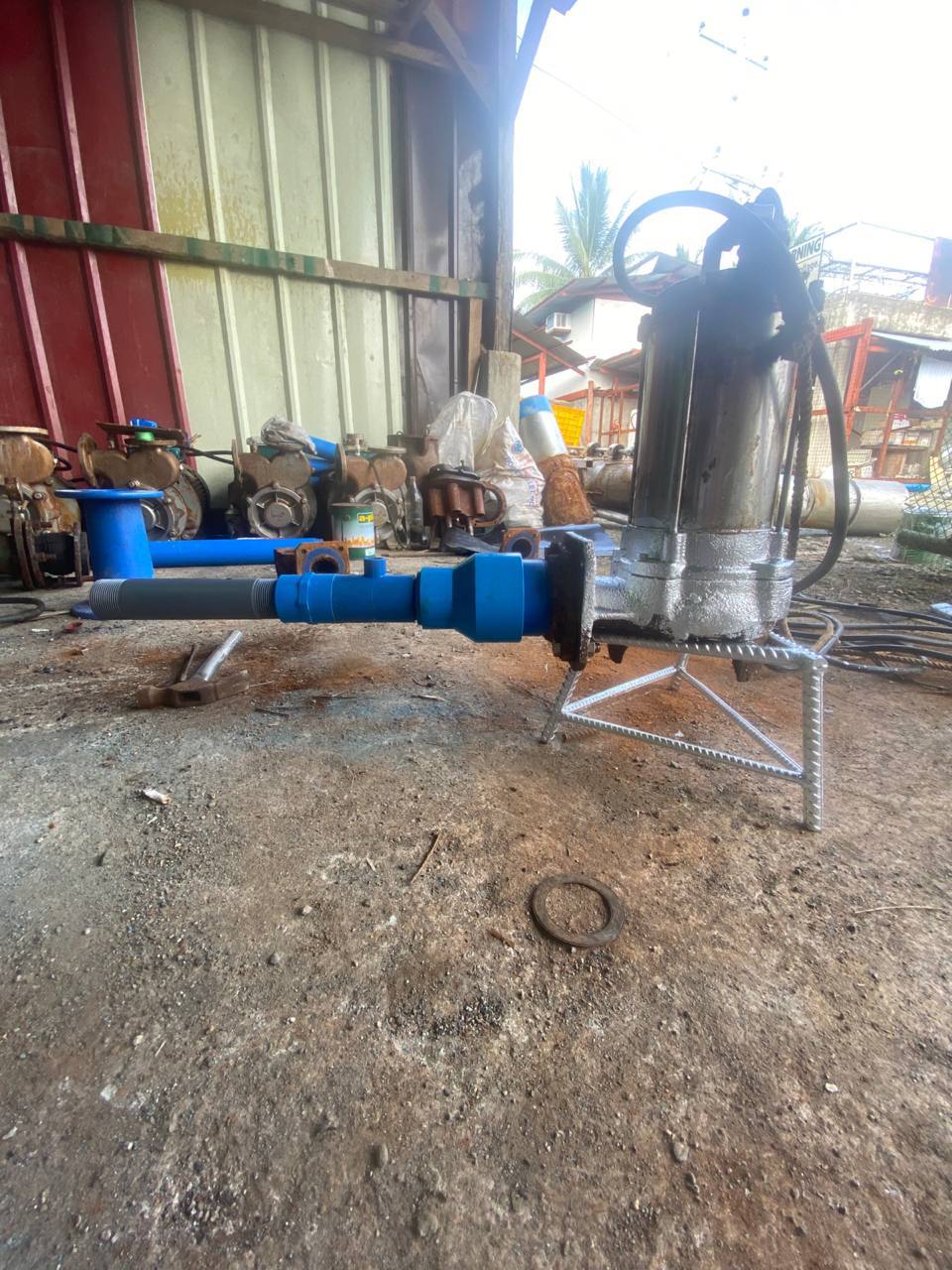
Oxygen nanobubbles primarily provide high-efficiency dissolved oxygen (DO) transfer and oxygen storage throughout the water column.
1. Higher Dissolved Oxygen with Lower Risk of Oxygen Crash
Oxygen nanobubbles can achieve much higher oxygen transfer efficiency than conventional surface aeration because:
* Pure oxygen contains approximately 4.8 times more oxygen than air.
* Nanobubbles dissolve slowly and remain suspended for hours to days.
* Their extremely large surface area improves gas transfer.
Meanwhile, paddle wheels:
* distribute oxygen-rich water throughout the pond
* prevent oxygen stratification
* continuously mix bottom and surface water.
Benefits
* More stable DO throughout the pond
* Reduced early morning oxygen depletion
* Better oxygen availability during cloudy weather
* Lower mortality risk
Better Bottom Oxygenation
In intensive ponds, the greatest oxygen demand is usually near the pond bottom because of:
* shrimp respiration
* sludge decomposition
* bacterial activity
* uneaten feed
Paddle wheels move water horizontally while nanobubbles remain suspended and gradually dissolve throughout the water column.
Together they provide:
* improved oxygen delivery to bottom water
* smaller anaerobic zones
* healthier pond sediment
* less accumulation of toxic metabolites
3. Reduced Hydrogen Sulfide (H₂S)
Hydrogen sulfide develops when sludge becomes anaerobic.
Higher bottom oxygen levels:
* suppress sulfate-reducing bacteria
* encourage aerobic decomposition
* oxidize reduced sulfur compounds before H₂S accumulates
Benefits include:
* healthier shrimp gills
* lower stress
* improved survival
4. Better Feed Conversion Ratio (FCR)
Shrimp digest feed more efficiently under consistently high oxygen conditions.
Typical improvements may include:
* stronger appetite
* improved digestion
* faster protein synthesis
* better feed utilization
Commercial farms sometimes report FCR improvements of 5–15%, although results depend on stocking density, feed management, and water quality.
5. Faster Growth
Maintaining DO above approximately 6–7 mg/L throughout the pond allows shrimp to:
* feed for longer periods
* recover more quickly after molting
* devote more energy to growth instead of coping with low oxygen stress
Benefits include:
* larger average body weight
* more uniform growth
* shorter culture cycles
6. More Uniform Pond Conditions
Without sufficient circulation:
* oxygen-rich water stays near aerators
* bottom water becomes oxygen-poor
* temperature layers may develop
Paddle wheels eliminate dead zones, while nanobubbles provide oxygen throughout the water column.
This creates:
* more uniform DO
* more consistent pH
* more stable ORP
* more even bacterial activity
7. Improved Nitrification
Nitrifying bacteria require oxygen to convert:
Ammonia (NH₃/NH₄⁺) to Nitrite (NO₂⁻) then to Nitrate (NO₃⁻)
Higher oxygen availability improves biological filtration within the pond and can help reduce toxic ammonia and nitrite accumulation.
8. Better Sludge Degradation
Aerobic bacteria become more active when oxygen is continuously available.
Benefits include:
* faster decomposition of organic matter
* less sludge accumulation
* reduced oxygen demand from decomposing waste
* lower production of toxic metabolites
9. Reduced Stress During Peak Biomass
As shrimp biomass increases, oxygen demand rises rapidly, especially at night.
The combination of paddle wheels and oxygen nanobubbles provides:
* rapid oxygen replenishment
* an oxygen reserve dissolved in the water
* improved resilience during periods of high demand
This reduces stress during:
* cloudy weather
* heavy feeding
* sudden phytoplankton die-offs
10. Increased Carrying Capacity
Maintaining high and stable DO enables ponds to support greater biomass before oxygen becomes the limiting factor.
Benefits may include:
* higher stocking densities
* higher harvest biomass
* reduced mortality at peak production
Actual carrying capacity will still depend on feeding rate, water exchange, waste management, and disease control.
11. Reduced Energy Consumption per Kilogram of Shrimp
Although pure oxygen has an associated cost, oxygen nanobubbles can be highly efficient.
Compared with relying only on paddle wheels:
* fewer paddle wheels may be needed to maintain target DO
* paddle wheels can sometimes operate at reduced intensity during periods of lower oxygen demand
* oxygen transfer efficiency per unit of oxygen supplied is generally higher
Overall economics depend on local electricity prices, oxygen cost, and farm management.
12. Better Molting Success
Shrimp require substantial energy and oxygen during molting.
High oxygen availability can support:
* successful shell hardening
* reduced post-molt stress
* lower mortality during molting
* faster recovery