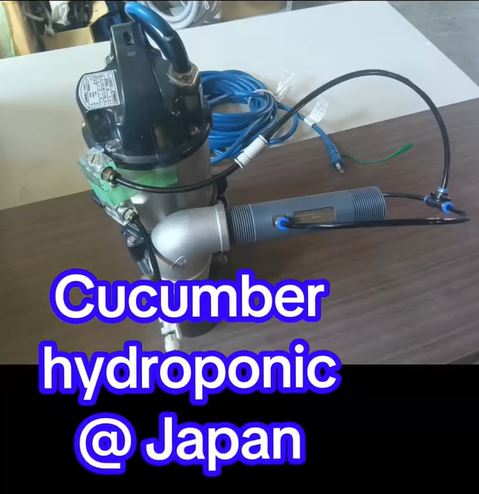
Oxygen nanobubbles (NB-O₂) can provide significant agronomic benefits for cucumber (Cucumis sativus) grown under drip irrigation, especially during the hot season, when high root-zone temperatures and oxygen depletion commonly limit growth. Unlike conventional aeration, oxygen nanobubbles (less than 200 nm) remain suspended in water for long periods, improving dissolved oxygen availability throughout the irrigation system and root zone.
Key Benefits for Better Root Development
1. Higher Root-Zone Oxygen Availability
During hot weather:
* Warm irrigation water holds less dissolved oxygen.
* Soil respiration increases.
* Roots consume oxygen more rapidly.
Oxygen nanobubbles help maintain a higher dissolved oxygen concentration around the roots, leading to:
* Faster root respiration
* Greater ATP (energy) production
* Increased root growth rate
* Improved root tip formation
Expected benefits
* 20–40% larger root volume (reported in several greenhouse studies)
* More active feeder roots
* Better root penetration into deeper soil
2. Increased Fine Root Hair Development
Healthy root hairs are responsible for most nutrient uptake.
Nanobubble irrigation promotes:
* More lateral roots
* Higher root hair density
* Longer root hairs
This results in:
* Larger nutrient absorption surface
* Better water uptake during hot afternoons
3. Reduced Root Stress During High Temperature
When soil temperature exceeds about 28–30°C, cucumber roots begin experiencing oxygen stress.
Oxygen nanobubbles help:
* Reduce hypoxia
* Improve root metabolism
* Maintain active nutrient uptake even during heat waves
Plants recover faster after:
* Midday heat
* Temporary drought
* High evapotranspiration
Benefits for Stronger Leaves
4. Increased Nitrogen Uptake
Healthy oxygenated roots absorb nitrate more efficiently.
Consequences:
* Darker green leaves
* Larger leaf area
* Higher chlorophyll concentration
* Stronger vegetative growth
5. Improved Calcium Transport
Calcium movement depends heavily on active roots.
Better oxygen supply results in:
* Better calcium uptake
* Stronger cell walls
* Reduced leaf edge burn
* Lower incidence of tip burn
6. Better Potassium Uptake
Potassium regulates:
* Stomatal opening
* Water balance
* Heat tolerance
Improved potassium uptake helps:
* Maintain leaf turgor
* Reduce wilting
* Improve photosynthesis during hot weather
7. Higher Photosynthetic Capacity
With healthier roots supplying more water and nutrients:
* Chlorophyll levels increase
* Leaves remain cooler
* Photosynthesis continues for longer each day
This translates into:
* Faster biomass accumulation
* More vigorous vines
Improved Water Uptake During Hot Season
Hot weather greatly increases evapotranspiration.
Oxygen nanobubbles improve:
* Hydraulic conductivity of roots
* Water absorption efficiency
* Root membrane permeability
Plants typically show:
* Less afternoon wilting
* Better overnight recovery
* More stable growth
Improved Nutrient Use Efficiency
Oxygenated roots absorb nutrients more efficiently, including:
* Nitrogen
* Phosphorus
* Potassium
* Magnesium
* Calcium
* Iron
* Zinc
Growers may observe:
* Lower fertilizer losses
* Higher fertilizer use efficiency
* More uniform crop growth
Healthier Rhizosphere
A well-oxygenated root zone favors beneficial aerobic microorganisms while suppressing anaerobic conditions.
Potential benefits include:
* Lower accumulation of harmful compounds (such as hydrogen sulfide)
* Reduced risk of root diseases favored by poorly aerated soils
* Improved organic matter decomposition and nutrient cycling
Nanobubbles themselves are not a substitute for disease control, but they can help create a healthier root environment.
Better Fruit Production
Healthier roots and leaves generally lead to:
* Earlier flowering
* Improved fruit set
* Larger cucumbers
* More uniform fruit size
* Higher marketable yield
* Better fruit firmness
* Improved shelf life due to balanced calcium nutrition
Benefits Specific to Drip Irrigation
Because drip irrigation delivers water directly to the root zone, oxygen nanobubbles:
* Reach the active root zone efficiently
* Improve oxygen distribution without waterlogging
* Remain suspended longer than conventional bubbles
* Can enhance root-zone oxygenation without additional aeration equipment
This makes drip systems particularly well suited for nanobubble irrigation.